JIMON GROUP product research: eight plant components, a quote from a 1596 encyclopedia, a Korean randomized study, and one very honest legal status.
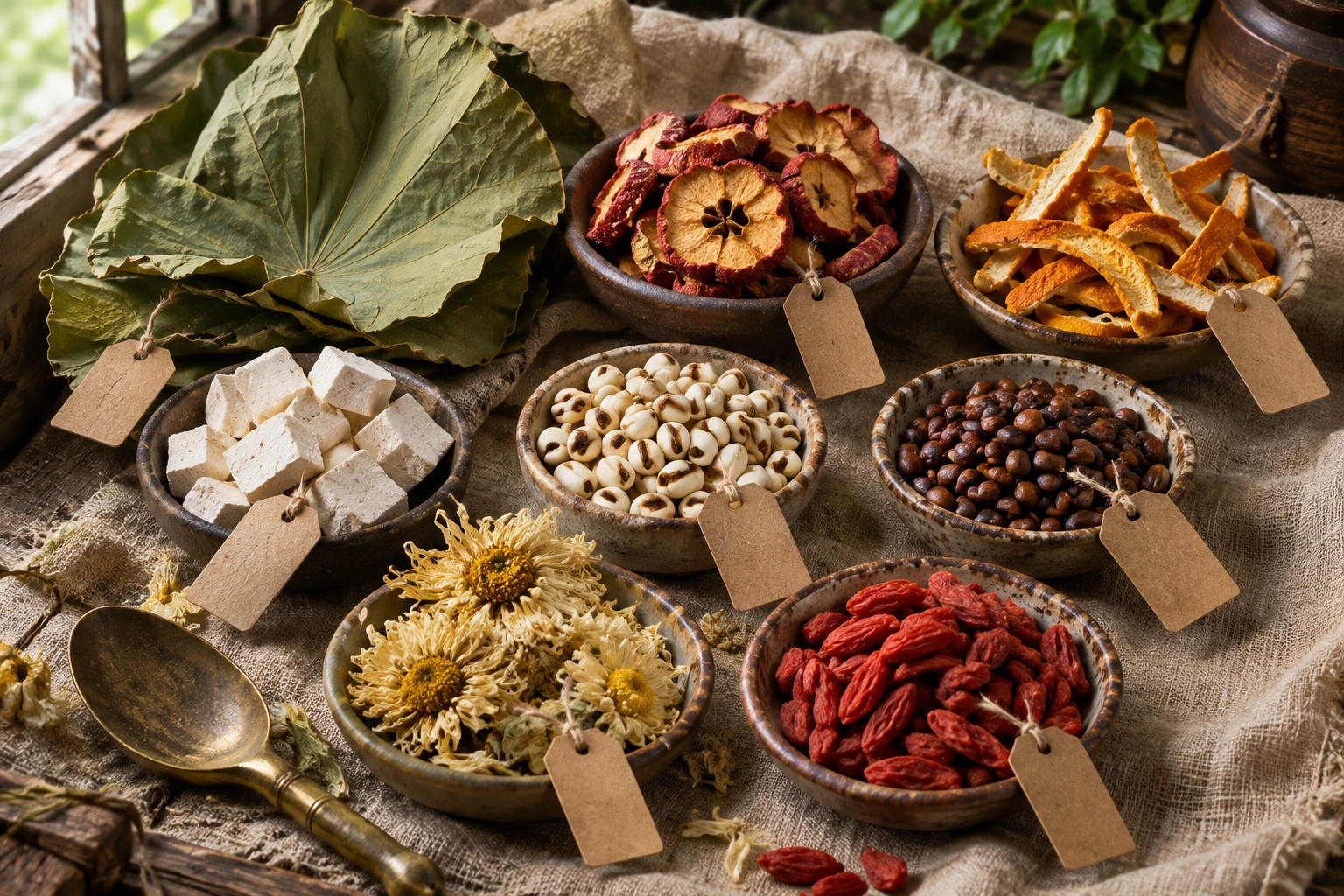
On my desk lies a small green packet. Inside is a brownish compressed tablet weighing 0.7 grams, which, according to the label, contains lotus leaf and hawthorn, mandarin peel and poria mushroom, coix seeds and cassia seeds, chrysanthemum and goji berries. The product is called BIRUNKANG (碧润康, BIRUNKANG), produced by the Chinese group JIMON GROUP, and the full name on the packaging sounds unexpectedly modest: “荷叶山楂压片糖果” — “pressed candies of lotus leaf and hawthorn” (JIMON GROUP presentation “BIRUNKANG,” PDF, company materials).
Honestly, at first it was this word — “candies” — that caught my attention. Not “dietary supplement,” not “weight loss complex,” not “detox remedy,” but the legally precise category under Chinese food law. Behind this modest wording lies a whole system: an official state list of substances that in China are simultaneously considered food and medicinal raw materials; four raw material origin regions, each verifiable by independent sources; a laboratory protocol with specific figures; and — most interestingly — scientific literature where two leading components of this formula in 2024 literally underwent a randomized double-blind human study. True, not as part of this product, and this is an important caveat to which I will return.
This article is an attempt to analyze the product as a researcher: what is confirmed by documents, what science knows about each component, where the boundary lies between the property of the plant and the property of the finished tablet, and what questions make sense to ask before interest turns into choice. I will distinguish four types of statements: verifiable fact (there is an independent source), company statement (from JIMON GROUP materials), scientific publication (with indication of evidence level), and my analysis as the author. This is more honest — and, strangely enough, more interesting.
1. Why this conversation arose at all: a bit of global context
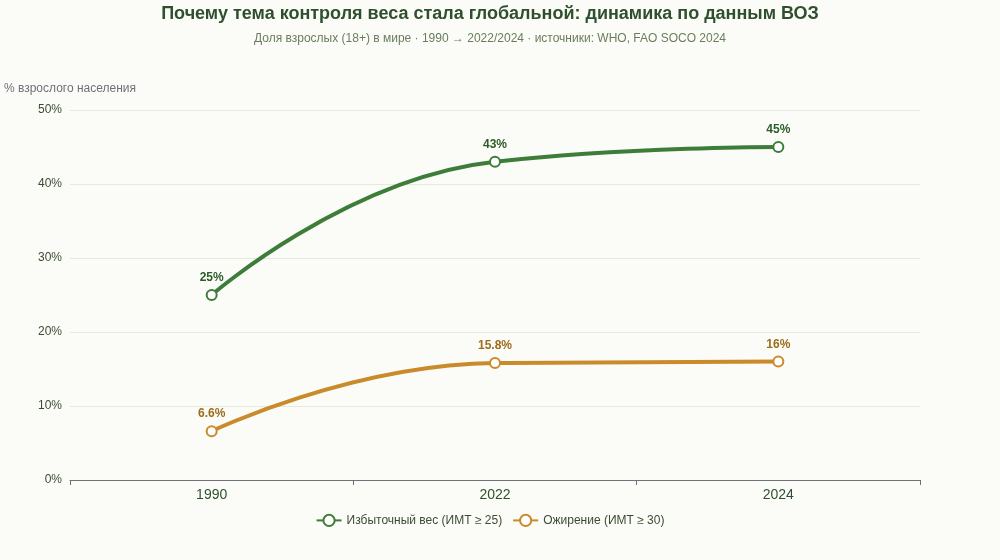
The topic around which BIRUNKANG exists — weight control and feeling light — today is not a marketing niche but one of the main global public health problems. According to the World Health Organization, in 2024, 2.6 billion adults — 45% of the world’s population over 18 years old were overweight, including 940 million people with obesity, or 16% of adults (WHOwho.int). For comparison: in 1990, 25% of adults were overweight, and the prevalence of obesity has more than doubled since then (FAOfao.org).
Alongside the growth of these figures, the market has also grown: from pharmacological drugs to endless “miracle pills” promising rapid transformation. Against this noisy backdrop, the Chinese approach looks noticeably different — there exists a whole cultural and regulatory category of products that do not claim to be medicines but rely on a centuries-old tradition of “food-medicine.” It is within this coordinate system that BIRUNKANG should be analyzed. And the first important fact about it concerns not the composition but legal honesty.
2. Legal identity: why the word “candies” is a good sign
In Chinese food law, “pressed candies” (压片糖果) are a strictly defined category of ordinary food product, code 1301 in the production license classifier. Such products are manufactured according to the national standard GB 17399-2016 “Candies” and the industry standard SB/T 10347-2017 “Pressed candies,” and — this is key — by law are not allowed to claim therapeutic or preventive functions (Huanghua Governmenthhw.gov.cn, Xinhuanews.cn). Products with proven health functions in China undergo separate state registration and receive the “blue hat” mark (蓝帽子); pressed candies do not belong to this category and must keep a safe distance from medical promises.
Chinese regulators regularly warn consumers about unscrupulous sellers who disguise pressed candies as “weight loss products” and add pharmacological substances — this is a separate market problem monitored by the State Administration for Market Regulation of the PRC (Xinhuanews.cn). Therefore, for me as a researcher, the wording on the BIRUNKANG packaging is rather a positive signal: the product openly calls itself what it legally is — a food product based on plant raw materials, not a medicine or a registered “health product.” In the JIMON GROUP educational materials I studied, it is explicitly stated: “the material is educational,” “not a recommendation or product promotion” — disclaimers the company is legally obliged to make, and it does so (JIMON GROUP presentation “BIRUNKANG,” PDF).
What does this mean for the reader in practice? That the product should be evaluated by criteria applicable to food: authenticity and quality of raw materials, production purity, safety, transparency of composition — not by clinical drug efficacy criteria. Everything science knows about its components (and it knows quite a lot) relates to the ingredients, and automatically transferring this data to the finished tablet is not permissible. This will be the red thread throughout the research.
3. Product passport: what was established about the product itself
Let’s summarize in one table what is known about the specific product — with an honest source division.
| Parameter | Data | Status |
|---|---|---|
| Name | BIRUNKANG / 碧润康 | Label (company materials) |
| Full name | 荷叶山楂压片糖果 — “Pressed candies: lotus leaf and hawthorn” (Lotus Leaf & Hawthorn Pressed Candy) | Label (company materials) |
| Category | Ordinary food product, pressed candies (code 1301, GB 17399 / SB/T 10347) | Regulatory fact (Xinhuanews.cn) |
| Brand owner | JIMON GROUP (济敏集团), international group name 金木集团有限公司 (Jinmu Group Co., Ltd.) | Company statement; JIMON identity = Jinmu Group confirmed by research publication (JIMON Group Research) |
| Form and dosage | Tablets 0.7 g; 30 pcs per package (2 g in stick packet; 60 pcs version also found) | Label (company materials) |
| Usage as indicated by company | 2–3 tablets once a day with warm water | Company materials. Reference information, not author recommendation |
| Declared composition | Lotus leaf, hawthorn, mandarin peel, poria (fuling), coix seeds, cassia seeds, chrysanthemum, goji berries | Label (company materials) |
| Declared raw material origin | Lotus — Weishan Lake (Shandong); chrysanthemum — Hangzhou (Zhejiang); fuling — Hubei; goji — Ningxia | Company statement (partially verifiable by independent cross-check — see section 5) |
| Quality control | Batch test protocol: heavy metals and microbiology within national GB standards | Company document (detailed analysis in section 8) |
| Formula development | According to company information, 2 years of research and refinement with participation of traditional Chinese medicine specialists | Company statement, independently unconfirmed |
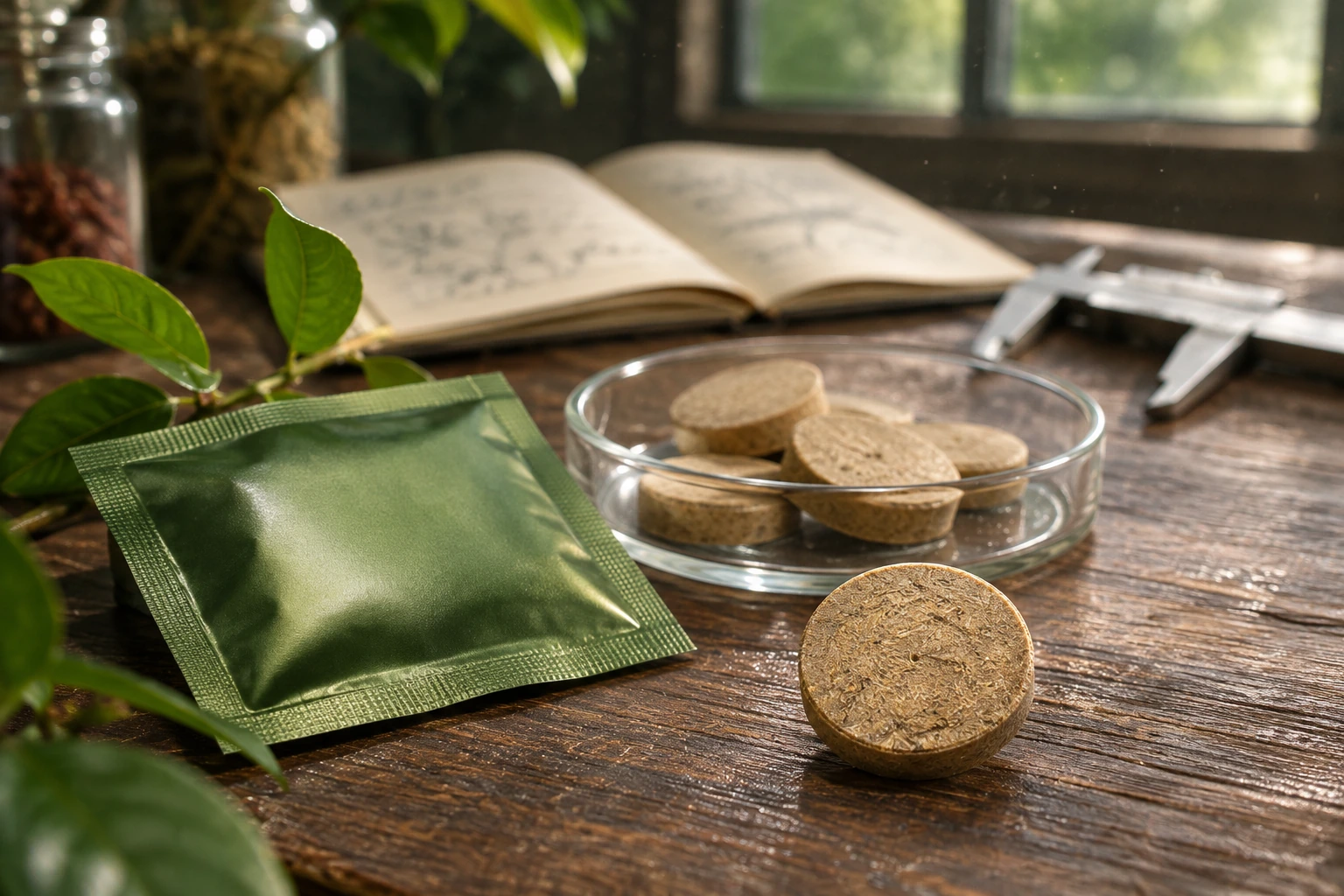
Some information about the manufacturer was also verified. JIMON GROUP is the international name of the Chinese company 金木集团有限公司 (Jinmu Group Co., Ltd.), registered in 2004 in the city of Anguo, Hebei Province (JIMON Group Research). A detail I found beautiful: Anguo in China is called the “millennial capital of medicines” — a historic center of medicinal plant trade and processing, where the pharmacy tradition has been maintained since the Song dynasty. According to available data, the company operates in traditional Chinese medicine, pharmaceutical production, dietary supplements, and health food products, holds a direct sales license from the Ministry of Commerce of the PRC since 2015, and is represented in 14 countries (JIMON Group Research). For honesty’s sake, I note: some corporate legends (e.g., founding date 1993 and “enterprise with 450-year history” within the group) are not confirmed by independent sources and remain company claims — this difference between “confirmed” and “self-reported” is fundamental to my approach.
4. The main finding of the research: all eight components are on the state list “food and medicine”
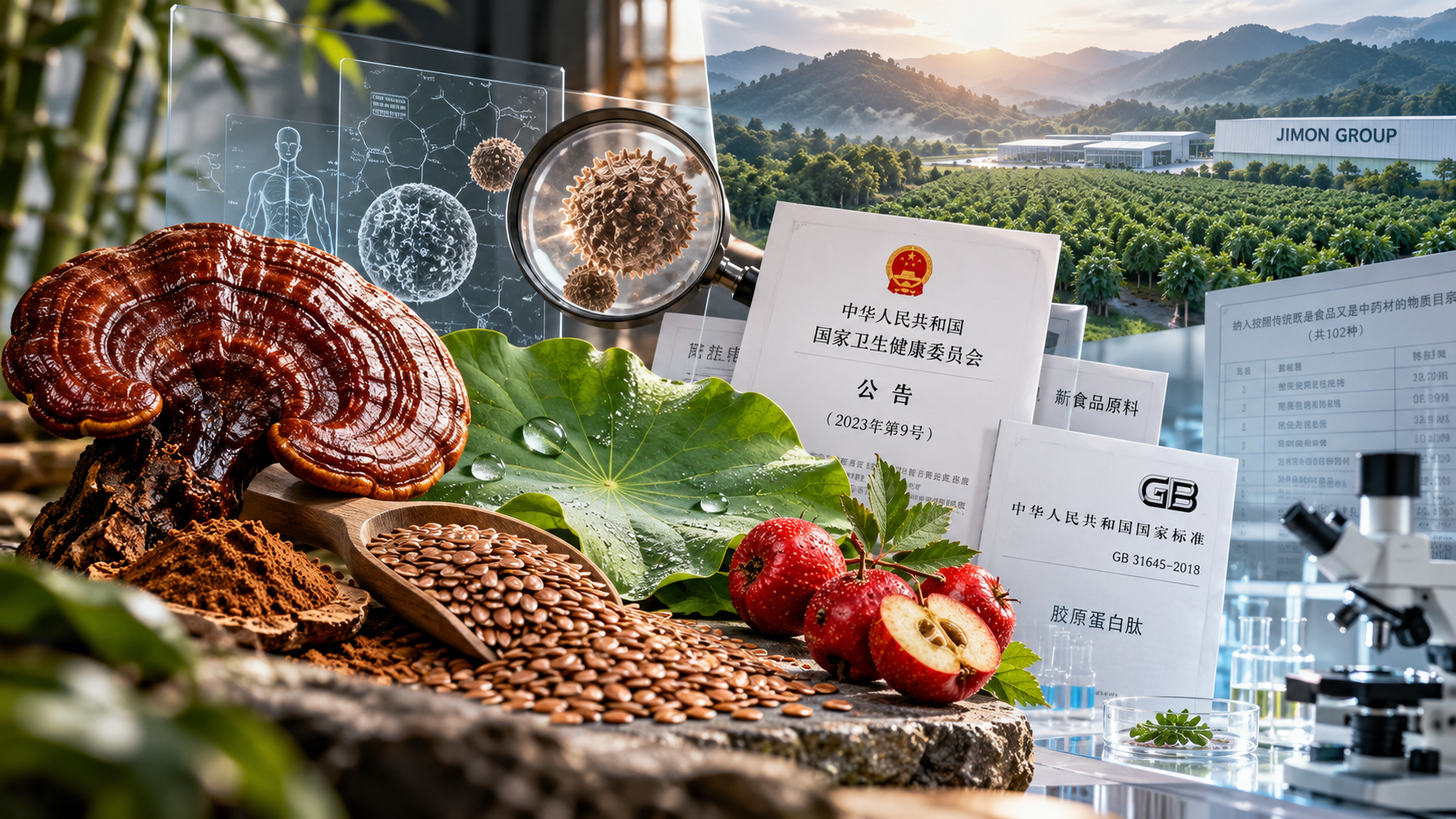
Here is where it gets most interesting. I cross-checked the declared composition of BIRUNKANG with the official Chinese list 药食同源 — “substances that are both food and medicinal raw materials.” This list is maintained by the National Health Commission of the PRC: the first list of 87 items was approved back in 2002 (document 卫法监发〔2002〕51号), and by 2026 it expanded to 106 names (HNJKCYhnjkcyw.org, Sohusohu.com).
The cross-check result genuinely surprised me: all eight formula components — 山楂 (hawthorn), 荷叶 (lotus leaf), 橘皮 (mandarin peel), 茯苓 (poria), 薏苡仁 (coix), 决明子 (cassia seeds), 菊花 (chrysanthemum), and 枸杞子 (goji berries) — are included in this state list (Sohusohu.com). This does not mean “proven product efficacy” — it means something else: each ingredient has passed a historical and regulatory safety filter for food use and has an officially recognized dual status. Only substances with a long documented history of food use and presence in pharmacopoeial tradition can enter the list. For a food product, this is effectively the ceiling of regulatory legitimacy of raw materials.
- Botanical source
- Nelumbo nucifera Gaertn., leaf
- Functions per 2020 PRC Pharmacopoeia (translation)
- “Clears heat and removes dampness, raises clear yang, cools blood and stops bleeding” (Rednet, Hunan TCM Administrationzyy.rednet.cn)
- In 药食同源 list
- Yes
- Botanical source
- Crataegus pinnatifida, fruit
- Functions per 2020 PRC Pharmacopoeia (translation)
- “Aids digestion and stomach, moves qi and disperses stagnation, dissolves turbidity and lowers lipids”; use — up to hyperlipidemia (China TCM Newspapercntcm.com.cn)
- In 药食同源 list
- Yes
- Botanical source
- Citrus reticulata, mature peel
- Functions per 2020 PRC Pharmacopoeia (translation)
- “Regulates qi and strengthens spleen, dries dampness and dissolves phlegm” (Nanfang+pc.nfnews.com)
- In 药食同源 list
- Yes
- Botanical source
- Wolfiporia extensa (Poria cocos), sclerotium of fungus
- Functions per 2020 PRC Pharmacopoeia (translation)
- “Drains water and dampness, strengthens spleen, calms heart” (Sourcehealth.people.cn)
- In 药食同源 list
- Yes
- Botanical source
- Coix lacryma-jobi, seed
- Functions per 2020 PRC Pharmacopoeia (translation)
- Drains dampness, strengthens spleen; traditional “grain” food culture (2025 reviewsciencedirect.com)
- In 药食同源 list
- Yes
- Botanical source
- Cassia obtusifolia / C. tora, seed
- Functions per 2020 PRC Pharmacopoeia (translation)
- “Clears heat and brightens eyes, moistens intestines and eases stool” (Nanfang+static.nfnews.com)
- In 药食同源 list
- Yes
- Botanical source
- Chrysanthemum × morifolium, inflorescence
- Functions per 2020 PRC Pharmacopoeia (translation)
- “Disperses wind and clears heat, calms liver and brightens eyes” (PMCpmc.ncbi.nlm.nih.gov)
- In 药食同源 list
- Yes
- Botanical source
- Lycium barbarum, fruit
- Functions per 2020 PRC Pharmacopoeia (translation)
- “Nourishes liver and kidneys, enriches essence and brightens eyes” (2024 reviewmdpi.com)
- In 药食同源 list
- Yes
Note the logic visible already from the pharmacopoeial formulations: the formula is not built around one loud “fat burner.” It is constructed around the classical Chinese traditional idea of “raising the clear and lowering the turbid” (升清降浊) — supporting digestion (hawthorn, peel), water balance (poria, coix, lotus), comfortable bowel function (cassia), and adding an antioxidant layer (chrysanthemum, goji). This reads as a composition, not a random set. And this composition has a verifiable historical pedigree.
5. Lotus leaf: from a 1596 quote to Weishan Lake and a laboratory alkaloid
5.1. “Who eats lotus leaf becomes slim”
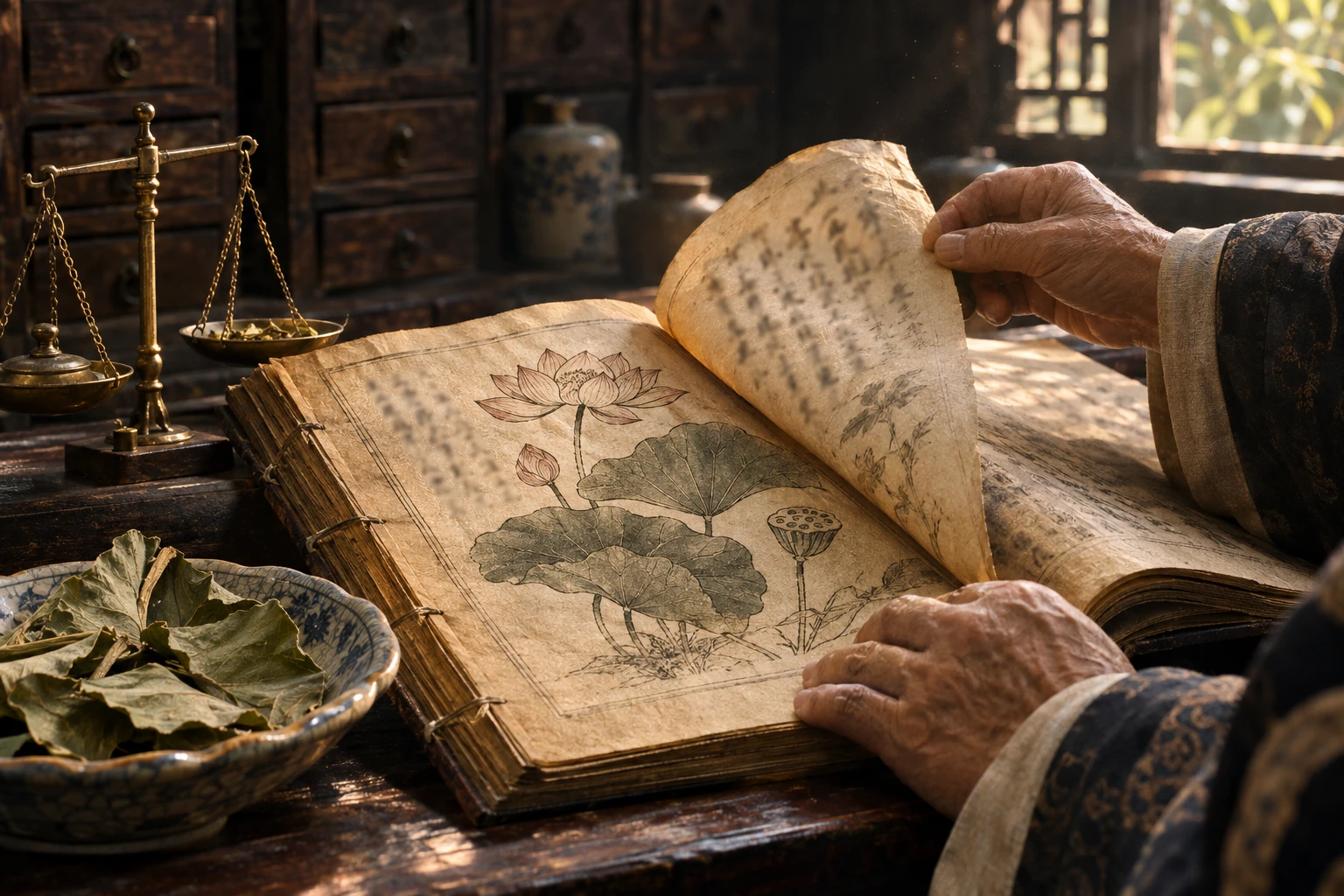
The most quoted phrase about lotus leaf was written 430 years ago. In “Ben Cao Gang Mu” (《本草纲目》) — the great encyclopedia of medicinal substances by Li Shizhen, published in 1596 — it is said about lotus leaf: “荷叶服之,令人瘦劣” — “who takes lotus leaf becomes slim,” and further: “one dose can disperse oedematous dampness” (Journal of Nanjing University of TCMxb.njucm.edu.cn). A pharmacology review of nuciferine in Pharmacological Research (2022) adds that the association of lotus leaf with weight control was recorded in Chinese medical books since the Ming dynasty, and in recent decades lotus leaf tea has become a mass “lightness” drink in China (Pharmacological Researchsciencedirect.com).
I deliberately present this as a historical fact, not as proof: the Ming era observation is a cultural trace telling us where scientific interest grew from, but proves nothing by itself. The modern PRC pharmacopoeia formulates lotus leaf functions more cautiously — “clears heat, removes dampness, raises clear yang” (Rednetzyy.rednet.cn). What happened next is the story of modern science.
5.2. Nuciferine and the AMPK pathway: what laboratories showed
The main studied active component of lotus leaf is the aporphine alkaloid nuciferine, as well as flavonoids (quercetin and kaempferol glycosides, hyperoside). The mechanistic picture assembled over the last fifteen years looks like this. In adipocyte cell models, nuciferine and pronuciferine suppress lipogenesis via activation of the AMPK signaling pathway — the very “energy switch” of the cell, which is also the target of metformin (Nutrition & Metabolismlink.springer.com). In mice with obesity from a high-fat diet, lotus leaf extract suppressed “fat accumulation genes” (PPAR-γ, C/EBP-α) and enhanced “fat burning genes” (PPAR-α, CPT1, LPL, CYP7A1), reducing body weight, blood lipids, and liver fat infiltration (Nutrition & Metabolism, 2020link.springer.com). A separate line of work showed that the extract changes the gut microbiota composition of rats — increasing beneficial Muribaculaceae and reducing pro-inflammatory signals, which itself became a trendy direction in obesity science (Frontiers in Nutrition, 2023frontiersin.org). There is also an experiment on human cells: a 2010 study showed lotus leaf extract dose-dependently reduced triglyceride accumulation in differentiating human preadipocytes (Nutrition & Metabolism, PMCpmc.ncbi.nlm.nih.gov).
Now — a detail that turned this section from “just another lotus review” into a real find for me. In a 2022 study where lotus leaf was fermented with probiotic Enterococcus strains and showed weight, fasting glucose, and insulin resistance reduction in rats, the raw material for the experiment was collected at Weishan Lake in Weishan County, Jining City, Shandong Province — exactly where, according to JIMON GROUP, the lotus for BIRUNKANG comes from (Nutrients, 2022mdpi.com, JIMON GROUP presentation). The geographic coincidence proves nothing about the product — but it shows that researchers and producers choose the same raw material region, and this choice can be verified.
5.3. Weishan Lake: geography visible from satellite
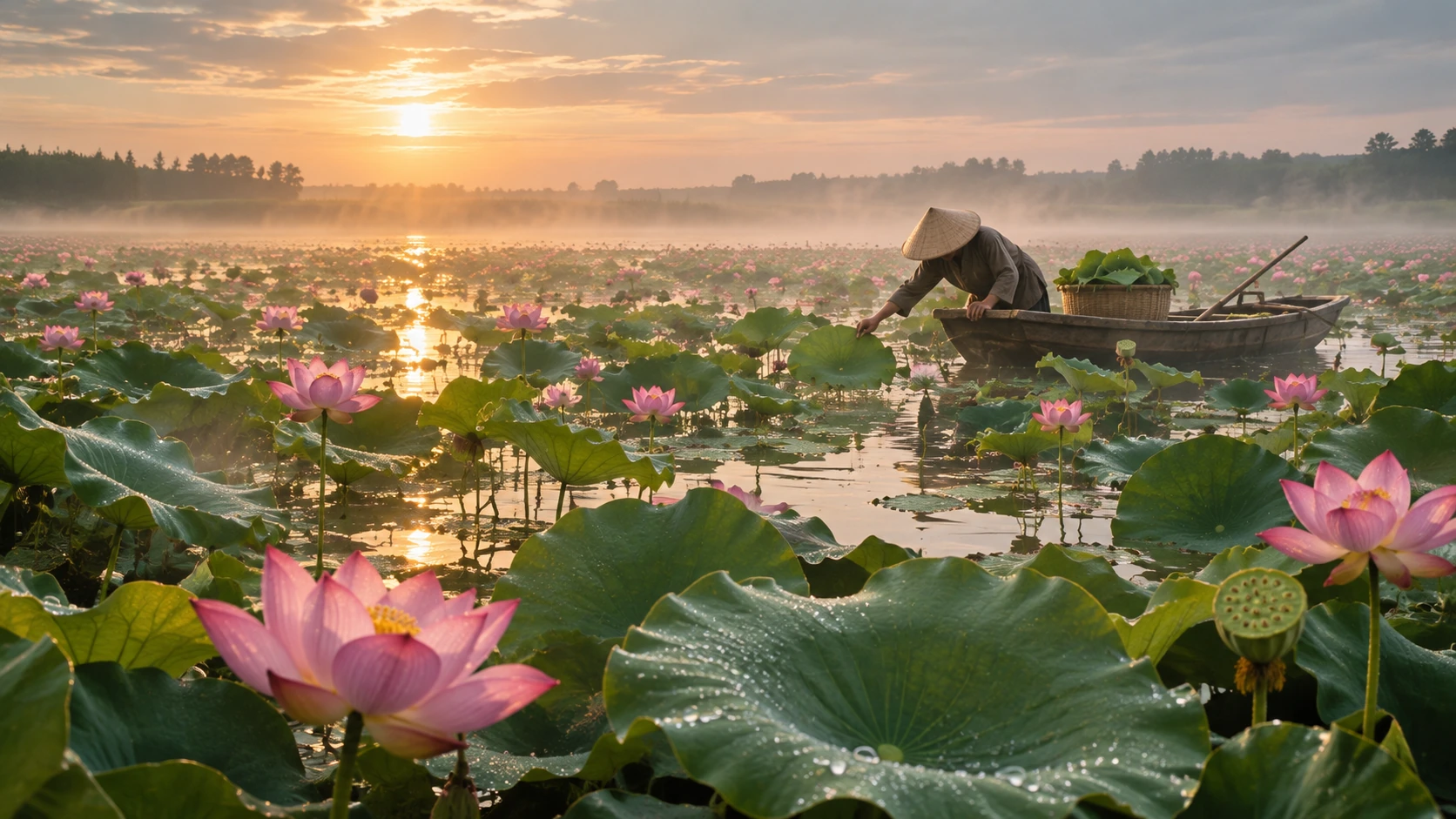
I checked Weishan by independent sources — and this is perhaps the most photogenic fact of the entire research. Weishan is the largest freshwater lake in northern China in Shandong Province; after an ecological water cleanup program, more than 100,000 mu (about 6,700 hectares) of continuous wild red lotus thickets have been restored here, for which the region is called the “lotus capital of China” (Xinhua, 2026sd.xinhuanet.com). A local environmental official in a Xinhua report describes how in recent years 228,500 mu of net barriers were removed from the lake and 100,000 mu of wetlands restored, and the lotus, “which grows only in clean water,” returned and became an ecological indicator. Lotus leaf here is a real export crop: the PRC Customs published material about batches of dried lotus leaf from Weishan exported abroad (General Administration of Customs of the PRCcustoms.gov.cn). So the claim “lotus leaves from the Weishan Lake area” against this data looks not like advertising prettiness but as an indication of a real, recognizable raw material terroir.
5.4. Honest boundary: the bioavailability paradox
And now the most important part of the scientific section — what marketing texts usually omit. The pharmacokinetics of nuciferine have only been studied in animals, revealing a serious problem: the bioavailability of the alkaloid when taken orally is estimated in rats to range from ~2% to 70% depending on the method — the data are contradictory, and there are no human pharmacokinetic studies at all (Frontiers in Pharmacology, PMCpmc.ncbi.nlm.nih.gov). Review literature explicitly states: the evidence base for lotus leaf is predominantly preclinical, and human clinical data remain limited and only hint at possible body composition improvement in overweight people (2026 review, Tap Chi Y Hoctapchiyhcd.vn). This means that all the beautiful AMPK and PPAR mechanisms are an “area of active scientific interest,” not a guarantee of results from a cup of lotus tea or a 0.7 g tablet. That is why I want to move on to the strongest fragment of human data in this whole story — and it concerns the second pair of components.
6. Hawthorn and mandarin peel: what the randomized study showed
In February 2024, a randomized double-blind placebo-controlled study was published in the journal Nutrients, which I consider the meaningful center of this article. Korean scientists from Kyung Hee University tested a mixture of extracts of hawthorn leaves (Crataegus pinnatifida) and unshiu mandarin peel (Citrus unshiu) on 105 overweight adults (BMI 25–30) for 12 weeks (PubMedpubmed.ncbi.nlm.nih.gov). Results: compared to placebo, the mixture groups showed significant reductions in body fat percentage (by DXA and bioimpedance), body weight and BMI. Significant leptin reduction was noted in the high-dose group. In an additional per-protocol analysis of participants who completed the study, this group also showed reductions in triglycerides and very low-density lipoprotein cholesterol. No adverse events related to the studied mixture were recorded over 12 weeks (PubMedpubmed.ncbi.nlm.nih.gov, NutraIngredientsnutraingredients.com).
Why is this study so important for our discussion? Because hawthorn and mandarin peel are two of the eight declared components of BIRUNKANG, with hawthorn even featured in the product’s name. The combination “hawthorn + citrus peel” is a classic pair in Chinese dietetics: it appears both in the famous Baohé Wan formula from the Yuan era and in modern “lightness teas” recommended by dietitians in Chinese hospitals as part of the national “Year of Weight Management” campaign (Beijing Association of Chinese Medicinebjacm.com.cn, Jingyintan Hospital, Wuhanyxb.whsjytyy.com). The Pharmacopoeia of the PRC explicitly includes in hawthorn’s functions the formulation “dissolves turbidity and lowers lipids” (化浊降脂) and its use in hyperlipidemia (Chinese Medicine Newspapercntcm.com.cn).
But here I must draw the boundary as clearly as possible because misinformation is born at such junctions. The study investigated a standardized hydroalcoholic mixture of extracts of hawthorn leaves and South Korean mandarin peel at doses of 840–1200 mg per day — not hawthorn fruit, not Chinese chenpi, and not a JIMON GROUP product. The results cannot be directly transferred to BIRUNKANG: neither the plant part, nor the citrus species, nor the form (extract versus powder in a 0.7 g tablet), nor the dose match. What this study actually provides is proof of principle: the pair “hawthorn + citrus peel” has human RCT-level data, albeit only one, on 105 people and with different raw materials. This is evidence level B by the classification I use: clinical data on a comparable ingredient. For a food product, this is already a rare luxury — but also the ceiling of what can be honestly claimed.
7. The remaining six: from the “eight treasures” fungus to the richest source of zeaxanthin
7.1. Poria (fuling): a fungus considered food for two millennia
Poria is not a plant but a sclerotium (dense underground formation) of the fungus Wolfiporia extensa, living on pine roots. In Chinese tradition, it is called one of the “eight treasures” of the pharmacopoeia; in Beijing, the dessert “fuling bing” — very thin pancakes with poria — has been prepared for centuries (Sourcehealth.people.cn). Modern reviews identify two main classes of substances in poria — polysaccharides (pachyman and related β-glucans) and lanostane triterpenoids; the authoritative review by José-Luis Ríos in Planta Medica notes anti-inflammatory and immunomodulatory activity but honestly adds: clinical data in humans are insufficient for conclusions on efficacy (Ríos, 2011d-nb.info). The most interesting new direction is poria polysaccharides as modulators of gut microbiota with anti-obesity effects in mouse models (2025 review, PMCpmc.ncbi.nlm.nih.gov). In the formula’s logic, poria corresponds to the traditional block of “eliminating excess moisture” — and this is, by the way, the component for which JIMON claims origin from Hubei, one of the two historical centers of fuling cultivation in China (Mingguang Hospitalmgszyy.com).
7.2. Coix: a grain that is eaten and studied
Coix seeds (Job’s tears, Coix lacryma-jobi) are a rare case where a “medicinal food grain” has been studied up to clinical formulations: a 2025 review lists coixenolide, coixol, polysaccharides, and phytosterols of the seeds, their lipid-modulating effects via AMPK and NF-κB, and also reminds that coix oil emulsion (Kanlight) is a registered drug in China, meaning the substance has traveled from porridge to pharmacology (ScienceDirect, 2025sciencedirect.com). For the weight topic, rat experiments are important, where coix extracts reduced body weight, adipocyte size, and hyperlipidemia — again, preclinical level D, without direct transfer to humans. Culinary coix is a common grain in Chinese cuisine, which itself well illustrates the philosophy of 药食同源: the boundary between pot and pharmacy is historically blurred here.
7.3. Cassia seeds: the formula’s gentle “postman” — and the main caution point
Cassia seeds (juemingzi, Cassia obtusifolia) are listed in the pharmacopoeia as a remedy “brightening the eyes and easing stool”: their anthraquinones (emodin, chrysophanol) gently stimulate peristalsis (Nanfang+static.nfnews.com). In the formula’s logic, this is the component responsible for regular bowel function. Here I want to place the main caution sign of the entire article: with prolonged or excessive use of anthraquinone agents, risks of gastrointestinal irritation and liver burden are discussed, and Chinese dietitians recommend avoiding cassia seeds during pregnancy, hypotension, and diarrhea tendency, advising not to turn them into an endless daily habit (Sourcefamilydoctor.cn). The amount of cassia in the tablet is not disclosed, so comparing it with decoction dosages and concluding safety of such use is not possible.
7.4. Chrysanthemum from Hangzhou: when the declared region matches the scientific cultivar
The company declares chrysanthemum from Hangzhou (Zhejiang) — and this is another place where the claim suddenly meets independent science. The inflorescences of Hangzhou white chrysanthemum, Hangbaiju (Chrysanthemum × morifolium cv. ‘Hangbaiju’), have been cultivated in Zhejiang for about four centuries and standardized by the Pharmacopoeia of the PRC for chlorogenic acid, luteolin-7-glucoside, and dicaffeoylquinic acids content (Antioxidants, 2019mdpi.com). In 2025, a study was published where the polyphenolic extract of precisely Hangbaiju in mice on a high-fat diet suppressed body weight gain by ~16%, reduced triglycerides by 28%, and raised HDL cholesterol by 44–55%, simultaneously remodeling the gut microbiota (PMC, 2025pmc.ncbi.nlm.nih.gov). Mice are not humans, I remind the status is level D. But as a mosaic detail, it is beautiful: the region on the label and the cultivar in the lab are the same place on the map.
7.5. Goji from Ningxia: the only component with a whole series of human RCTs
Goji berries (Lycium barbarum) are the most “studied in humans” component of the formula, although not in the context of weight. Goji is the richest known dietary source of zeaxanthin (in the form of zeaxanthin dipalmitate, 0.5–1.2 mg/g dry weight), and LBP polysaccharides make up 5–8% of the berry (2024 review, MDPImdpi.com, LBP review, PMCpmc.ncbi.nlm.nih.gov). In randomized human studies: in healthy adults aged 45–65, consumption of 28 g of goji five times a week for 90 days significantly increased macular pigment optical density — a protective filter of the retina (clinical studies review, 2025explorationpub.com); in 150 elderly participants, a milk formula with goji over 90 days raised total plasma antioxidant capacity by 57% versus no change on placebo (2024 review, MDPImdpi.com). The declared origin — Ningxia — matches the main historical terroir of goji: the Ningxia Lycium barbarum is considered the standard in China, and review papers emphasize that geographic origin measurably affects berry composition (2024 review, MDPImdpi.com). I read goji’s role in the formula as an “antioxidant and trophic” layer — these studies have no direct relation to weight, and it is important not to present them as such.
8. Document moment: batch test protocol
Among the company’s materials is a document more valuable to me as a researcher than any slogans — a laboratory batch test protocol with specific numbers and references to national measurement standards (series GB 5009 — metal determination methods, GB 4789 — microbiological methods). I redrew it as a chart: for each indicator — the allowable limit and the actual result (JIMON GROUP “BIRUNKANG” materials, PDF).
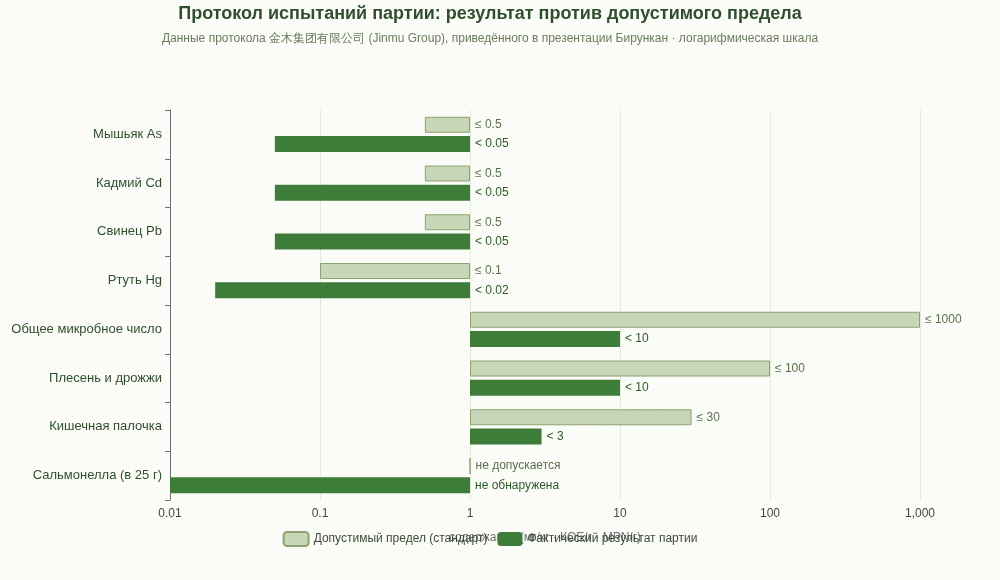
The picture looks like this: lead, cadmium, and arsenic were recorded at levels below 0.05 mg/kg with a limit of 0.5, mercury below 0.02 with a limit of 0.1, meaning the upper result limit for the first three indicators is ten times lower than the specified limits, and for mercury — five times lower. Microbiology: total microorganism count <10 CFU/g with a limit of 1000, molds and yeasts <10 with a limit of 100, salmonella not detected in 25 g (JIMON GROUP materials). Additionally, the packaging indicates liability insurance from PICC — one of China’s largest insurance groups (company statement).
I must say frankly: this is a protocol from the manufacturer’s own materials, not a publicly available independent laboratory report. Therefore, its status in my system is “company document”: the accuracy of specific figures cannot be externally verified, but the fact that the company shows a batch protocol with standards, measurement methods, and tolerances is a demonstration of a quality control infrastructure that can be requested and checked. A reader considering the product has the right to request the current protocol for their batch — and this is a good practical criterion for any food product in general.
9. Practical part: how the reader should approach such a product
If you gather all the research into practical guidelines, you get roughly this framework — which, by the way, is universal for any plant-based “pressed candies” and blends.
How to read the label. Look for the product category (BIRUNKANG honestly states “pressed candies,” i.e., a food product, not a dietary supplement or medicine), the full composition without “secret components,” the manufacturer with registration, and ideally a batch test protocol. All eight components of this formula are on the official state list of food medicinal substances, which from a regulatory perspective is the maximum transparency of raw materials for a food product (Sohusohu.com). The absence of pharmacological “enhancers” is what by law should distinguish such a product from counterfeit “weight loss” products, against which Chinese regulators warn (Xinhuanews.cn).
How to set expectations. Pharmacopoeial descriptions help understand the traditional logic of component selection. Some of these combinations (hawthorn + lotus + juemingzi) are mentioned in materials from Chinese hospitals about nutrition and weight management. This information does not confirm the effect of the finished BIRUNKANG on weight, digestion, or water balance (Jingyintan Hospital, Wuhanyxb.whsjytyy.com). The usage information in the passport above is taken from the JIMON GROUP presentation.
Who needs caution. Pregnant and breastfeeding women, people with hypotension, tendency to diarrhea, liver and biliary diseases, and anyone taking regular medications (especially for blood pressure, sugar, and blood thinning) should discuss any herbal blends with a doctor; cassia seeds and hawthorn have known pharmacological effects that may interact with therapy (Sourcefamilydoctor.cn). Such products are not intended for children. And the general rule I consider key in this article: no food product replaces nutrition, exercise, and a doctor.
10. Synthesis: what BIRUNKANG ultimately represents
Putting marketing aside and compiling only verifiable facts, the portrait is as follows. BIRUNKANG is a legally positioned food product of the “pressed candies” category, built on eight components from the official state list of “food and medicine”, assembled according to the classical logic of Chinese dietetics “to raise the clear and lower the turbid.” The formula has a genuine historical pedigree — from the 1596 “Ben Cao Gang Mu” to hospital “lightness teas” of today; its leading pair of components (hawthorn + citrus peel) in another standardized form has undergone human RCTs with moderate but real results; the raw material regions on the label (Weishan, Hangzhou, Hubei, Ningxia) are not abstractions but verifiable terroirs, one of which literally supplied lotus leaf for a scientific experiment. The manufacturer is a real company from the “millennial capital of medicine” Anguo with a Ministry of Commerce license and a published batch quality protocol.
At the same time: in the open sources reviewed in the article, I found no clinical trials of the finished product. The amounts of individual components are not disclosed, so direct comparison with research doses is impossible. Moreover, the product category legally prohibits promising treatment, and part of the corporate history is independently unconfirmed. Therefore, my honest formulation of value is: this is a culturally and regulatorily “clean” way to touch the tradition of 药食同源 — in a form where composition, origin, and quality control are visible — not a tool with guaranteed clinical effect. The historical justification of the composition helps understand the formula’s design. There are no public data confirming the effect of the finished BIRUNKANG for weight loss or digestive support in the reviewed sources.
We essentially face two doors. Behind the first is evidence-based medicine with its demand for RCTs on the finished product; this door is still closed for BIRUNKANG, and it is more honest to admit it. Behind the second is a two-thousand-year tradition of food medicinal substances, state lists, pharmacopoeias, and the first modern science slowly verifying this tradition; this door is open, and the product stands exactly on its threshold. The choice of which door to look through is always up to the reader. My task was to make both doors equally visible.
Contact the author — if you have questions about this research or documents that should be added to the analysis, write to me through our laboratory contacts.
Algorithm Laboratory — here I research products based on documents and scientific sources, separating facts, claims, and hypotheses. Other analyses are on the laboratory website.
Disclaimer: this article is informational and research in nature and is not a medical recommendation, advertisement, or usage guide. The product BIRUNKANG belongs to the category of ordinary food products and is not intended for diagnosis, treatment, or prevention of diseases. Before using any herbal products with chronic diseases, pregnancy, or medication, consult a doctor.
Research keys
Browse the topic archives for this article.